
Research and conservation for the Lorises (Nycticebus spp.) in Xuan Lien Nature Reserve in April 2021
- Center for Nature Conservation and Development
- May 20, 2021
- 2 min read
Lorises are nocturnal and arboreal primate (in contrast to many other species of the primates), so studying them is often difficult and time consuming. Up to the present, there are few researches have been done to study the species in Vietnam. Lack of necessary information on the species’ populations and threats limits conservation efforts.
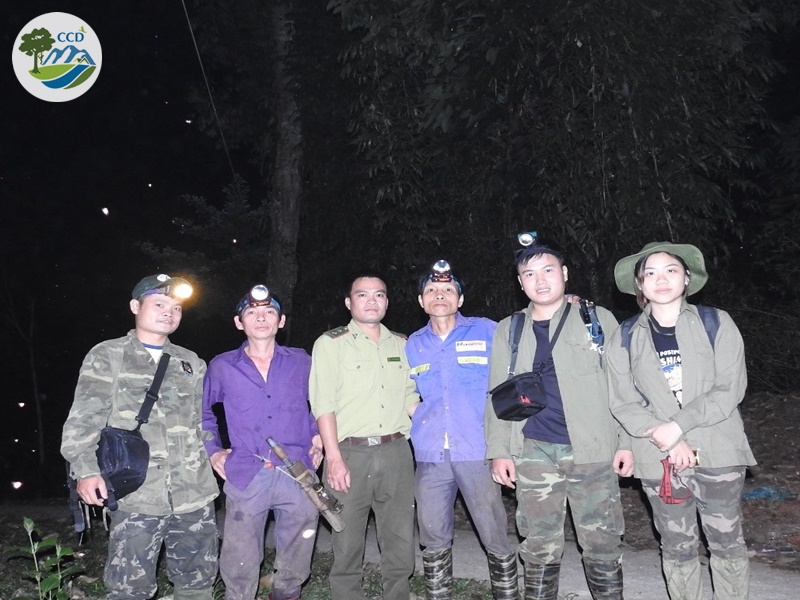
Under the cooperation program between the Center for Nature Conservation and Development (CCD) and Xuan Lien Nature Reserve (Xuan Lien) on conservation of endangered fauna and flora species, in April 2021, a research team of CCD and Xuan Lien conducted a survey of loris in the southern section of the reserve. The research team carried out night spotting activities on 08 routes, with a length of 30.8 km, and 12.1 hours of the continuous survey.
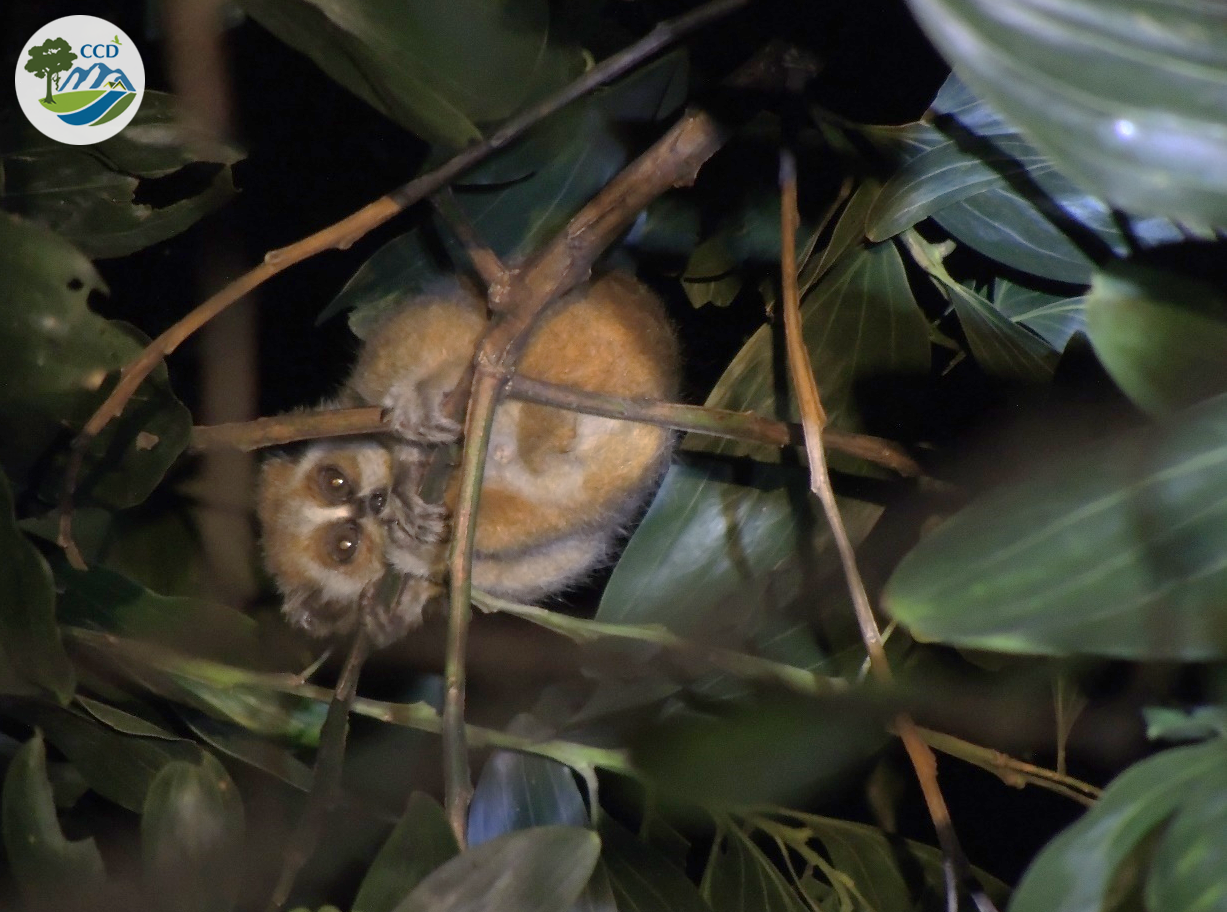
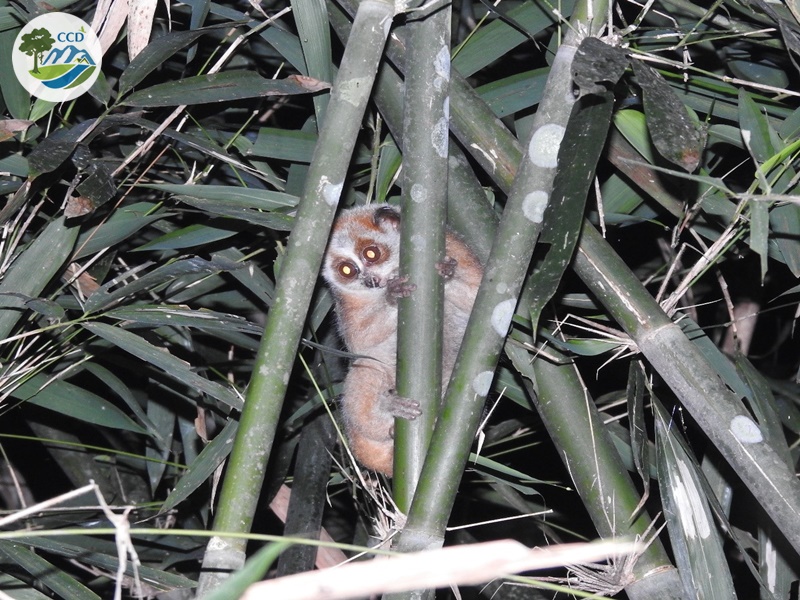
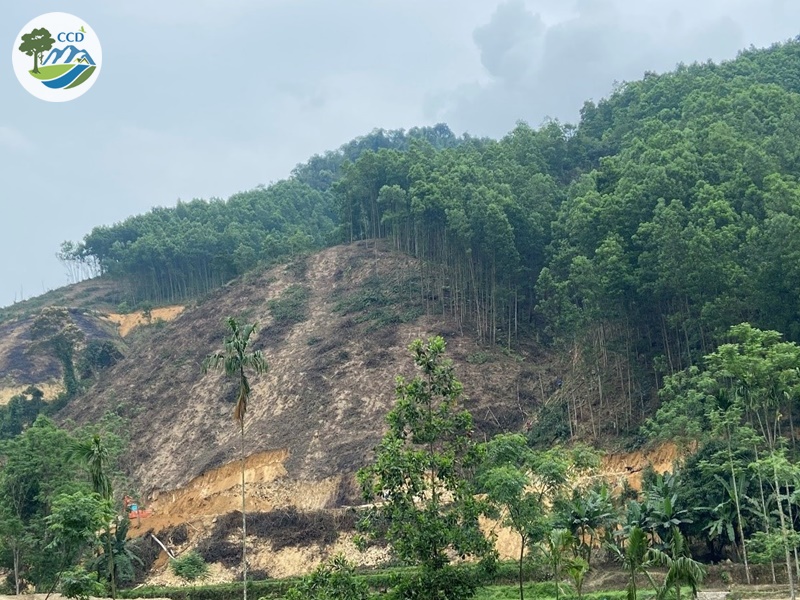
During the survey, the team recorded a total of 08 pygmy lorises (Nycticebus pygmaeus). The lorises were recorded in different habitat types, but mainly in secondary forest and mixed bamboo forest. The group did not record any loris in old growth forest (primary). In particular, out of the 08 individuals recorded this time, there were 03 lorises recorded in Acacia plantation (Acacia mangium), this is also a new record of loris in this type of forest. Acacia plantation is considered an unsuitable area for wildlife, especially primates. This new record shows the adaptation of loris to the changes in vegetation in their ranges. However, this is a plantation which will be cleared-cut in a 5-year cycle, so, how will these lorises survive? Or maybe, the loris only comes to feed in the acacia forest but do not live permanently in this habitat. During the survey, no Bengal slow loris (Nycticebus bengalensis) was recorded. It seems that Bengal slow loris has become very rare. Through previous surveys efforts, we only recorded 02 Bengal slow lorises, which was significantly lower than 30 recorded of the pygmy lorises for the same survey efforts. During the survey, interviews with local people showed that lorises are a target species for hunting and trafficking, although some local villagers still caught lorises to keep as pets, they usually die after several weeks.
CCD will continue its cooperation with Xuan Lien to promote the research and provide better information about the lorises population, especially for the Bengal slow loris, and opportunities for recovery of these species. Furthermore, we will work with the reserve to organize more awareness-raising activities to enhance conservation knowledge for local people. The awareness events will not only improve public awareness but also to reduce wildlife poaching and increase community responsibility for the conservation of loris, and other endangered animals in the Reserve.


Comments