
CONSERVATION OF WILD BIRDS IN THE RED RIVER FLOODPLAIN
- Center for Nature Conservation and Development
- Jan 3
- 2 min read
Updated: Oct 3
The section of the Red River flowing through Hanoi spans approximately 120 km, encompassing a variety of habitats such as sandbanks, reed grasslands, and water channels along the riverbanks and on mid-river islets. These areas are critical natural habitats for many species of wild birds. The floodplains and islets serve as essential living, feeding, and wintering grounds for both resident birds and migratory birds traveling along the East Asia - Australasia Flyway, including numerous Endangered & Critically Endangered species.


Picture 1-2 : CCD is collaborating with forest protection departments and local authorities to collect,
destroy mist nets along the Red river in Hanoi
©CCD/2025
One of the annual activities of the Center for Nature Conservation and Development (CCD) is collaborating with the Hanoi Forest Protection Department to conduct communication campaigns promoting the protection of wild birds in the floodplain areas, particularly in regions frequented by migratory birds. Alongside these outreach efforts, during the migratory bird seasons, CCD works with the Hanoi Forest Protection Department and local authorities to implement monitoring and conservation programs in the floodplain regions. These programs include removing bird-trapping nets and preventing activities that destroy natural habitats in these areas.



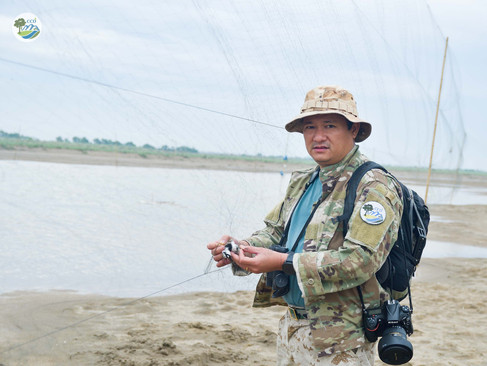
Picture 2: Mist nets are setup by hunters along the Red river in migratory season
Picture 3: Some insects are unable to circumvent the destruction of mist nets
©CCD/2024
CCD has also proposed that the Hanoi People's Committee establish wild bird conservation areas and natural parks on the floodplains and mid-river islets of the Red River. These parks and conservation zones would not only provide Hanoi with more green spaces but also serve as venues for educational activities for students and as opportunities for citizens and visitors to engage with nature and the environment in the capital.


Comments