
ADVANCE SUSTAINABLE TOURISM AT KON KA KINH NATIONAL PARK: CONSERVATION IN TANDEM WITH DEVELOPMENT
- Center for Nature Conservation and Development
- Aug 9, 2025
- 2 min read
Kon Ka Kinh National Park – Gia Lai province covers a total area of 41,913.78 hectares, located about 50 km from Pleiku City and spanning four communes: Ayun, Đăk Rong, Krong, and Đăk Sơmei. Not only is it home to a diverse ecosystem with many rare and endangered species, but it also offers a wealth of tourism assets, including:
Kon Ka Kinh Peak (1,748 m) – the “roof” of Gia Lai province, Da Trang Peak;
95 Waterfall, Nang Tien Waterfall, Kon Bông Waterfall, H’lân Waterfall;
Ancient banyan tree groves, Pterocarpus macrocarpus groves, pine forests;
Wildlife Rescue Center;
Historical relic sites in Krong commune, paddy field areas and the unique cultural heritage of the Ba Na ethnic community;



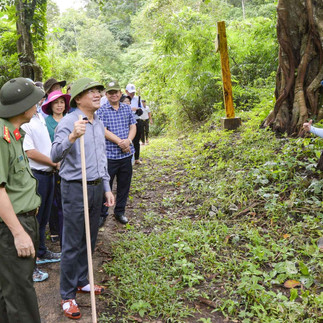
It is also the only special-use forest in Gia Lai honored with dual recognition: an ASEAN Heritage Park and the core zone of the Kon Hà Nừng Plateau UNESCO Biosphere Reserve. Despite its great potential, Kon Ka Kinh National Park has yet to fully capitalize on its advantages. Current tourism activities remain small-scale, fragmented, and lacking distinctive features to attract visitors.
To harness the Park’s advantages, in August 2025, Center for Nature Conservation and Development (CCD) will work with the Park management board, travel companies, and other partners to develop a master plan for eco-tourism, resort, and recreational development through 2030, with a vision to 2045.



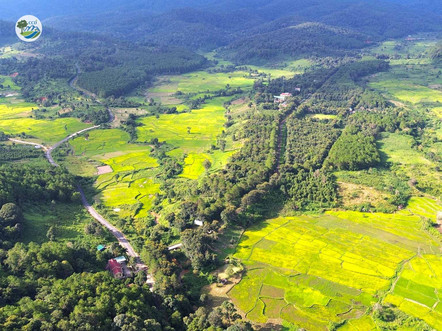
This plan aims to identify suitable tourism types, routes, and attractions in line with natural conditions, while proposing solutions to attract potential investors, improve tourism infrastructure, enhance management and monitoring capacity, and optimize tourism revenue. At the same time, the plan emphasizes harmonizing biodiversity conservation with livelihood improvement and cultural preservation in the region.
In the coming time, CCD will continue to support Kon Ka Kinh National Park in planning, identifying appropriate tourism products, developing community-based tourism models, and carrying out environmental education and communication activities. The Park’s tourism development strategy will be conservation-oriented, ensuring no encroachment on forest resources, and contributing to Gia Lai province’s vision for sustainable tourism linked to ecology and culture.


Comments